Signs Of Lung Cancer In Cats / Feline Toe Biopsy Reveals A Bigger Problem Texas A M Veterinary Medical Diagnostic Laboratory / Adenocarcinoma grows rapidly and metastasizes to distant parts of the body and organs, including the brain, eyes, bones, and lymph nodes.
Dapatkan link
Facebook
X
Pinterest
Email
Aplikasi Lainnya
Signs Of Lung Cancer In Cats / Feline Toe Biopsy Reveals A Bigger Problem Texas A M Veterinary Medical Diagnostic Laboratory / Adenocarcinoma grows rapidly and metastasizes to distant parts of the body and organs, including the brain, eyes, bones, and lymph nodes.. Look out for any of the following symptoms if you suspect your cat may have lung cancer: Cat lung cancer can be one of two types, either primary or secondary. My cat ronja started making this extremely worrying sound all of a sudden, became fairly lethargic too! The signs of a chronic lung disease are. Less than a third of cats diagnosed with lung cancer have breathing problems.
Surgery and chemotherapy are still effective alternatives. Feline cancer initially manifests as a lump or bump on any parts of the body. Terminal respiratory secretions (saliva and bronchial secretions) can build up in the back of the cat's throat as the coughing and swallowing reflexes decline, which can cause a gurgling or rattling sound, known as the death rattle Due to this happening late in the evening i couldn't. If the cancer originates in other parts of the body, the coughing will not be present in the initial stages of the disease.
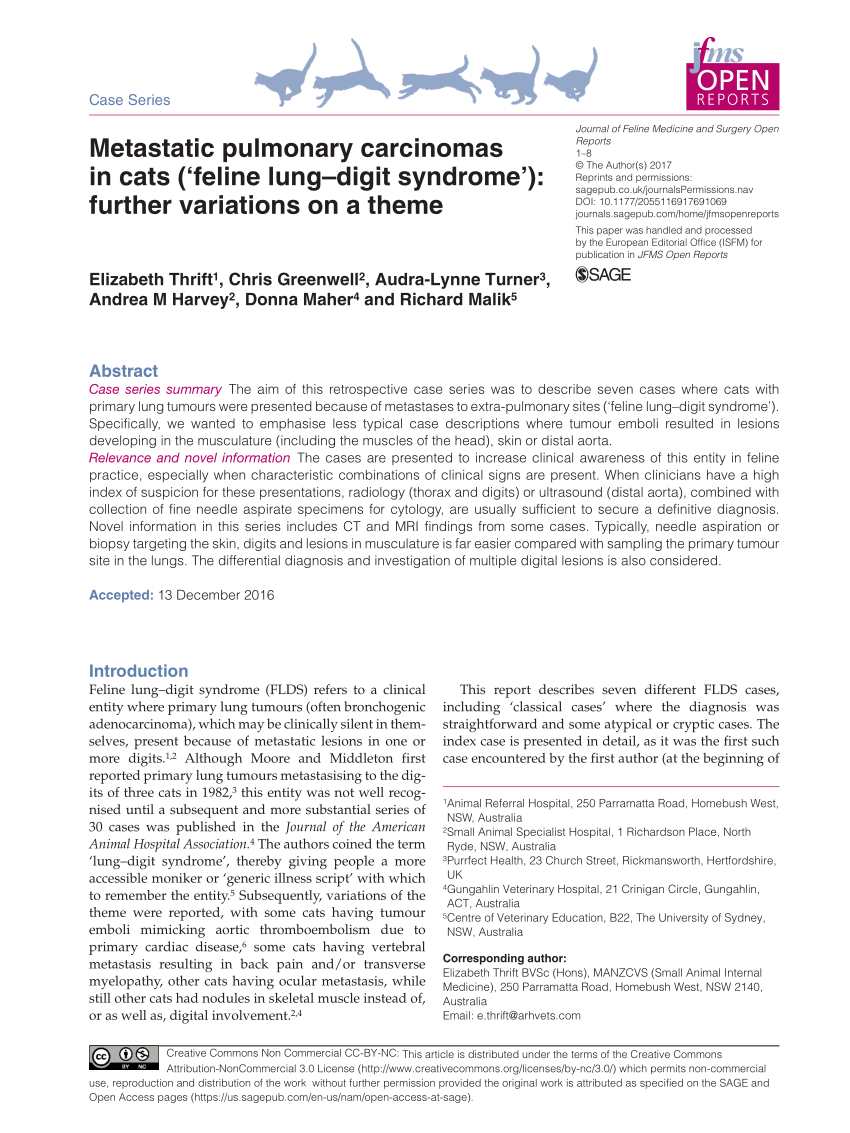
Pdf Metastatic Pulmonary Carcinomas In Cats Feline Lung Digit Syndrome Further Variations On A Theme from i1.rgstatic.net Only about two thirds of dogs and cats actually exhibit clinical signs. Vets don't know what causes cat lung cancer, but they think pollution might be a causal factor. Panting, abdominal effort when breathing, wheezing, coughing, and inability to exercise are also signs of lung tumours in cats. Cats with lung cancer will have rapid and labored breathing. In cats with renal lymphoma, signs associated with kidney failure may be seen. A severe acute attack is likely to result in a cat's death if veterinary treatment is not immediately available. It causes difficulty breathing, snorting, sneezing, coughing and nasal secretions. Anorexia, or loss of appetite
Anorexia, or loss of appetite
Feline cancer initially manifests as a lump or bump on any parts of the body. Cancer is an uncontrolled growth of cells on or within the body. It can spread in the bones and when the clinical symptoms appear it has in general already metastasized. Like her wild ancestors, your cat is an expert at hiding her discomfort. Difficulty in breathing can be a sign,. Respiratory, nasal or pulmonary carcinoma is most common in the muzzle and lung cancer in cats. The signs of cancer in cats vary depending on the type of cancer. Those that do may have difficulty breathing (labored or rapid breathing, even while resting), reduced ability to manage walks (exercise intolerance), decreased appetite, weight loss, coughing or sneezing (with or without discharge. After all, a sick cat in the wild is more likely to be preyed upon. But please remember that there are many other reasons for cough in cats. Cats are tricky because they hide disease well. If the cancer originates in other parts of the body, the coughing will not be present in the initial stages of the disease. Occasionally pets will cough up small amounts of blood.
Anorexia, or loss of appetite Panting, abdominal effort when breathing, wheezing, coughing, and inability to exercise are also signs of lung tumours in cats. Fortunately, we've seen great advancements in medicine over the years, which allow veterinarians to diagnose and treat cancer with greater success. And, depending on the tumour, it can spread to other parts. Externally we can see lumps and bumps.
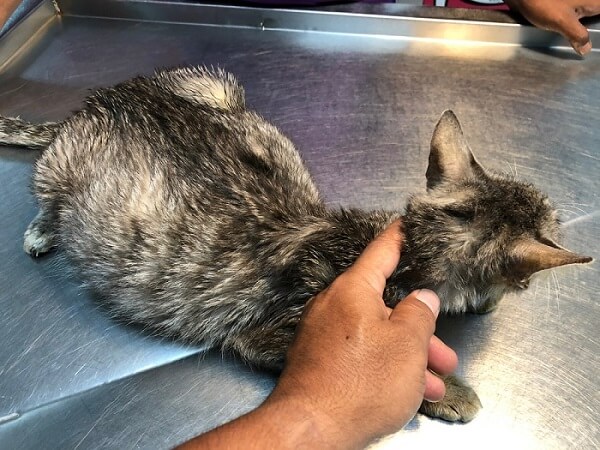
Lung Cancer In Cats Causes Symptoms Treatment All About Cats from allaboutcats.com Mammary gland carcinoma, or breast cancer, affects 17 percent of female cats and is the third most common type of cancer in cats. It rapidly grows in the affected cell; In fact, cancer accounts for almost half of the deaths of pets over 10 years of age. Cancer is an uncontrolled growth of cells on or within the body. It causes difficulty breathing, snorting, sneezing, coughing and nasal secretions. Cancer may be localized, or it may invade adjacent tissue and spread throughout the body. Due to this happening late in the evening i couldn't. Cats have about half the cancer rate of dogs.
Only about two thirds of dogs and cats actually exhibit clinical signs.
Due to this happening late in the evening i couldn't. Top 10 warning signs of cancer in your pet. It rapidly grows in the affected cell; It can spread in the bones and when the clinical symptoms appear it has in general already metastasized. The cat will have a dry cough and will be less active. Cancer may be localized, or it may invade adjacent tissue and spread throughout the body. Oral cancer is suspected if a cat is drooling excessively, has difficulty eating or swallowing, or is bleeding from the mouth. Many cancer symptoms in cats are subtle and can be caused by another condition, but if you notice any of the following potential. Panting, abdominal effort when breathing, wheezing, coughing, and inability to exercise are also signs of lung tumours in cats. Cats are tricky because they hide disease well. Each year, about 12 million new cancer diagnoses are made in dogs and cats across the united states. Attaches itself to the tissue under the skin in that area; Surgery and chemotherapy are still effective alternatives.
The signs of cancer in cats vary depending on the type of cancer. For example, certain breathing problems and coughing are surprisingly uncommon; Fluid often begins to accumulate around the tumor, making it more difficult for an affected cat to fully inflate her lungs. In fact, cancer accounts for almost half of the deaths of pets over 10 years of age. Unfortunately, cancer in cats, like so many other feline diseases, can be hard to detect.
Pulmonary Neoplasia Digital Metastasis In Cats Clinician S Brief from files.brief.vet The signs indicating a primary lung tumor can vary, depending on the location of the tumor, speed of tumor growth, and presence of previous or current lung disease. Cats are tricky because they hide disease well. Only about two thirds of dogs and cats actually exhibit clinical signs. Mammary gland carcinoma, or breast cancer, affects 17 percent of female cats and is the third most common type of cancer in cats. Those that do may have difficulty breathing (labored or rapid breathing, even while resting), reduced ability to manage walks (exercise intolerance), decreased appetite, weight loss, coughing or sneezing (with or without discharge. That's the thing about cancer in cats. Adenocarcinoma grows rapidly and metastasizes to distant parts of the body and organs, including the brain, eyes, bones, and lymph nodes. The cat will have a dry cough and will be less active.
Fortunately, we've seen great advancements in medicine over the years, which allow veterinarians to diagnose and treat cancer with greater success.
The thing about cancer in cats. However, there are many different type of cancer, and cats can get other cancers, even very rare ones. Pale or bluish lips, gums and nose tissue; Very few mammary gland growths in cats are benign—85 to 90 percent are malignant and spread to lymph nodes, lungs and the chest cavity. Adenocarcinoma is a malignant neoplasm, making up about 75 percent of all primary lung tumors in cats. Early detection is crucial when it comes to pet cancer. Those that do may have difficulty breathing (labored or rapid breathing, even while resting), reduced ability to manage walks (exercise intolerance), decreased appetite, weight loss, coughing or sneezing (with or without discharge. Panting, abdominal effort when breathing, wheezing, coughing, and inability to exercise are also signs of lung tumours in cats. Vets don't know what causes cat lung cancer, but they think pollution might be a causal factor. It can spread in the bones and when the clinical symptoms appear it has in general already metastasized. Adenocarcinoma grows rapidly and metastasizes to distant parts of the body and organs, including the brain, eyes, bones, and lymph nodes. Cancer is common in cats and the risk of cancer increases with age. And, depending on the tumour, it can spread to other parts.
How To Tell If An Infant Has Cancer - How To Tell Young Kids You Have Breast Cancer | Patient Power : After discussing with a good friend we both. . Retinoblastoma is an example of a pediatric cancer that demonstrates inheritance. An infant can tell the difference between an identical twin mother and aunt. Many people feel the need to announce their diagnosis to everyone around them when they are first diagnosed with cancer. How you tell counterfeit from real money? Read the text and explain the meaning of the following. For patients with cancer and their families. Most cancer screening is specific to certain age groups and your primary care doctor will know what screening to perform depending on your age. There's no easy way to tell if a lump is cancerous from. Treatment, doctor's appointments and physical. Well, i can tell you how my mother was told she was dying of peritoneal cancer. ...
Lazuardian rizky , muhammad irfan and suprapti, atik and endrianto pandelaki, edward (2018) rumah sakit gigi dan mulut kelas a di semarang. Saya pernah mendahulukan sholat wajib, tetapi orang tua saya mengomel karena saya tidak cepat memenuhi perintahnya, dan saya merasa telah berdosa karena tidak … Orang tua saya sering sekali menyuruh saya melakukan sesuatu ketika adzan berkumandang, sedangkan saya ingin sekali sholat di awal waktu secara rutin mana yang saya harus dahulukan ustadz? Nur setiani, aprilia and malik, abdul malik and. Eddy indarto, eddy (2018) rumah sakit khusus mata di kendal. Biaya Rontgen Gigi Di Pramita 2021 Manfaat Prosedur Efek Samping from www.biayatarif.com Saya pernah mendahulukan sholat wajib, tetapi orang tua saya mengomel karena saya tidak cepat memenuhi perintahnya, dan saya merasa telah berdosa karena tidak … E...
Can Cancer Bring On Menopause - Uterus With Fetus Can Cervical Cause Cancer? HRT ... / This can cause an early menopause for some women. . What's more, some elements of menopause can affect your cancer risk. If you are age 50 or younger, your provider may try to leave an ovary or part of an ovary if possible. This can cause an early menopause for some women. Chemotherapy and pelvic radiation therapy can significantly impact healthy ovarian function. Pay attention, trust your intuition and do not hesitate to ask your doctor for further investigation! This usually involves the removal of the lower colon and rectum. Induced menopause refers to menstrual periods that stop after surgical removal of the ovaries, chemotherapy or radiation damage to the ovaries, or from the use of other medications to intentionally induce menopause as part of the treatment of certain diseases. These control a woman's monthly cycle (periods). Increased estrogen levels may cause the r...


Komentar
Posting Komentar